The role of the bioeconomy
The bioeconomy includes economic activities that use renewable biological resources and biological processes to produce food, materials, chemicals, energy and other valuable products.
It connects sectors including agriculture, forestry, food production, biotechnology, healthcare, chemicals and manufacturing.
A strong European bioeconomy can contribute to several important objectives.
Diversifying Europe’s raw materials
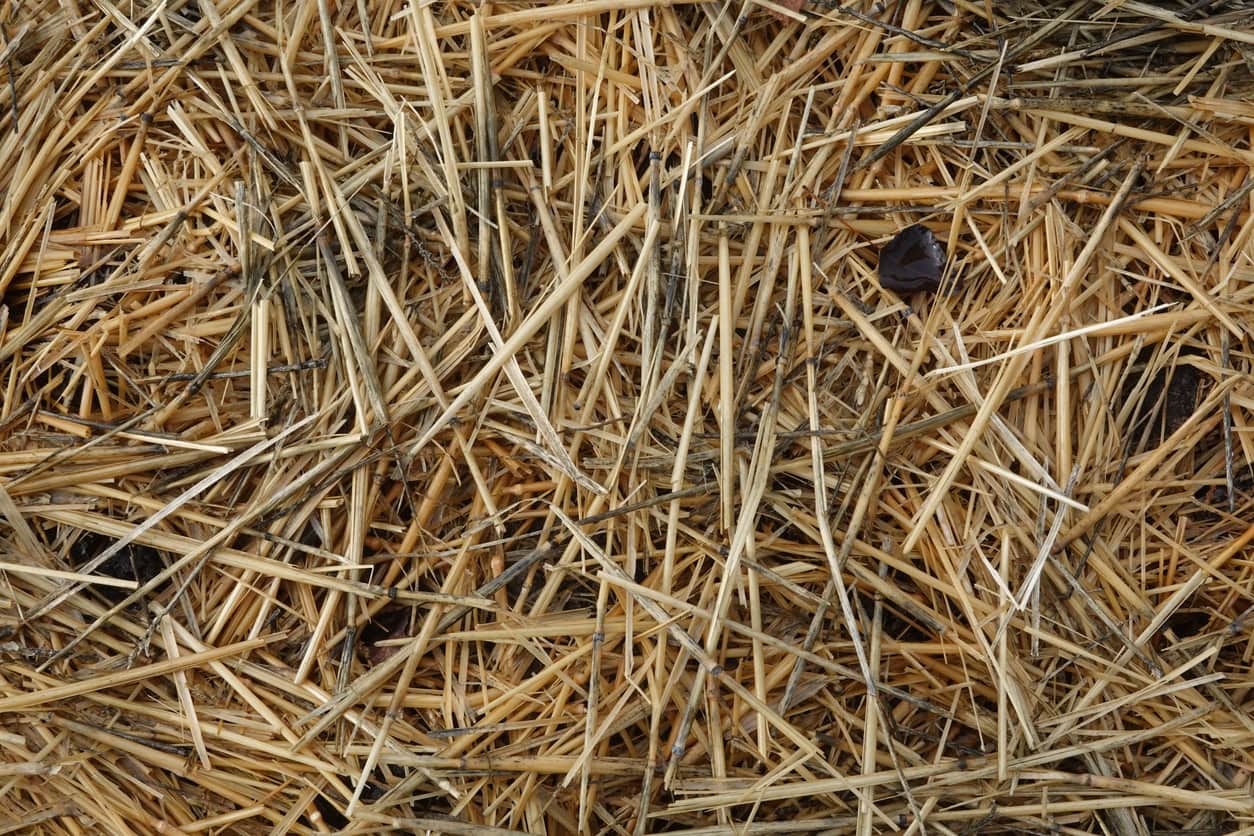
Bio-based resources can complement conventional raw materials and reduce industry’s dependence on a limited number of fossil-based or imported feedstocks.
Driving industrial innovation
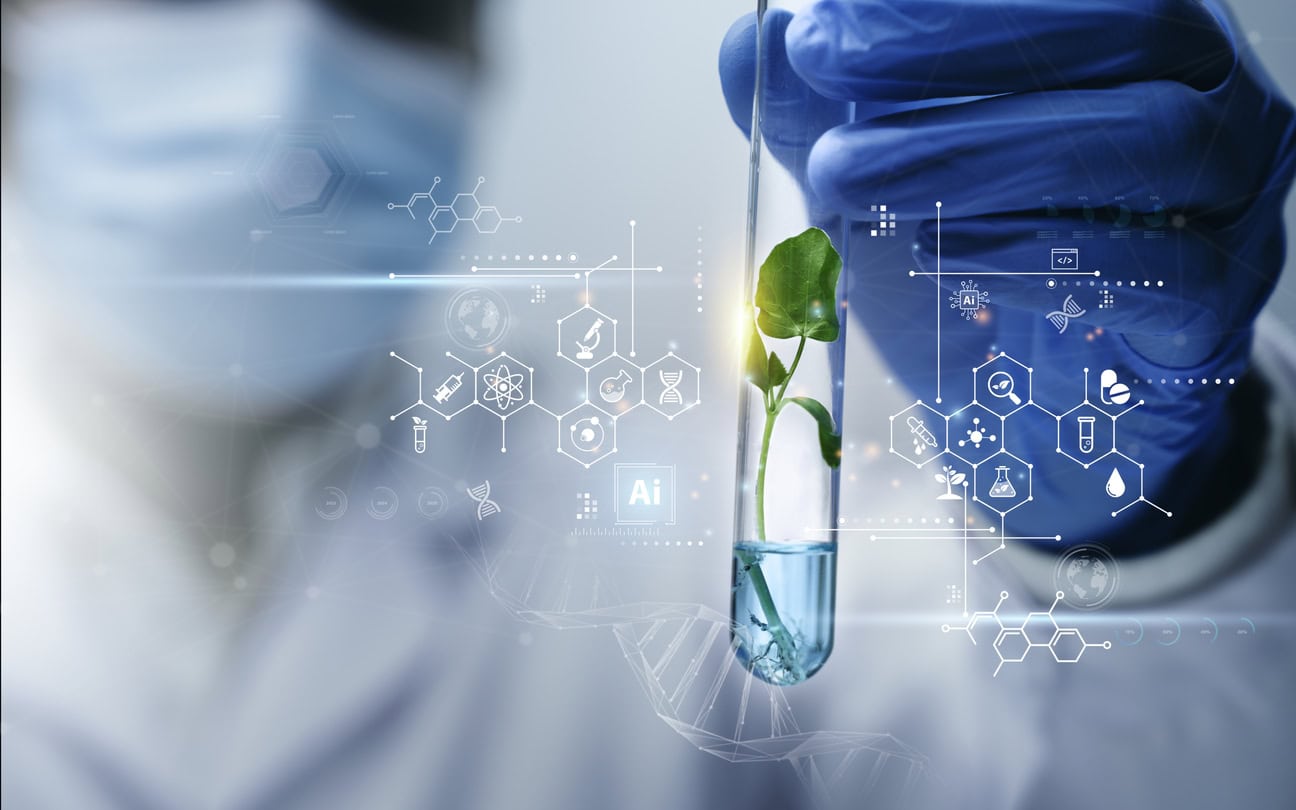
Biotechnology and fermentation provide new ways to manufacture existing products and create entirely new materials and ingredients.
Supporting more circular production
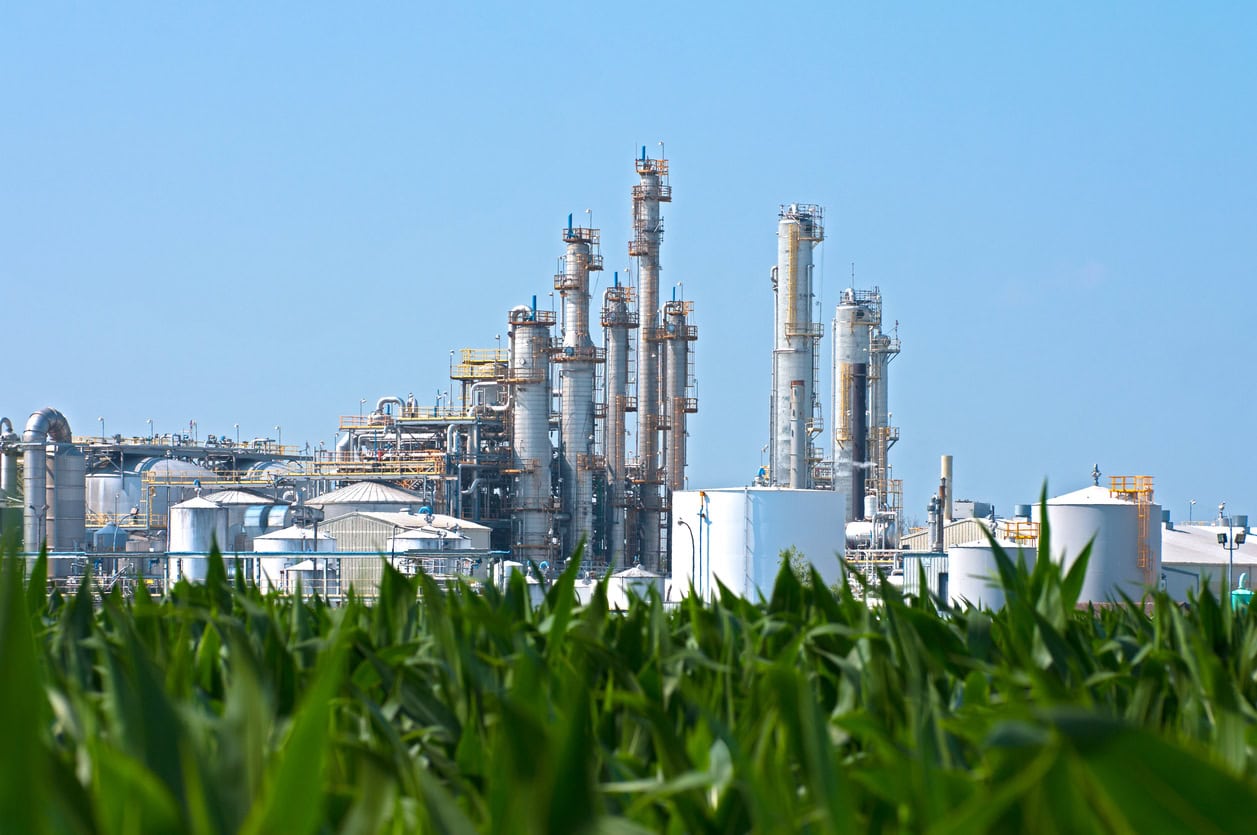
Agricultural residues, food-processing side streams and other biological materials can, where technically and economically appropriate, be transformed into valuable products rather than treated solely as waste.

Strengthening European competitiveness
Europe has significant scientific knowledge, industrial experience and manufacturing capacity in biotechnology. Scaling these technologies can support investment, skilled employment and resilient European value chains.
Contributing to the green transition
Bio-based production can help industry develop alternatives to fossil raw materials. Its overall contribution depends on factors including the origin of the feedstock, land use, energy consumption, production efficiency and the full lifecycle of the finished product.